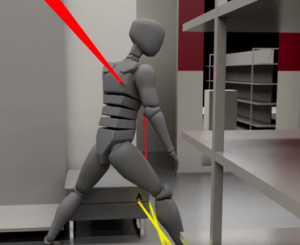
 On December 23, 2021, Los Angeles Police Department Officer William Jones Jr. responded to reports of an active shooter inside the Burlington Coat Factory in North Hollywood, California. As officers moved through the store searching for the suspect, Officer Jones took the lead because he was the only officer armed with a patrol rifle. Upon approaching the fitting room area, Officer Jones fired three rounds from his rifle, fatally striking Mr. Elena Lopez. One of the rounds then ricocheted off the floor, changed direction, penetrated the wall of an adjacent fitting room, and struck 14-year-old Valentina Orellana-Peralta, who was sheltering inside with her mother. She died from her injuries at the scene.
In this case, several less-lethal options were available and could reasonably be considered based on the circumstances confronting the officers. Responding personnel had access to OC spray, a Taser, a beanbag shotgun, and sufficient manpower to attempt hands-on control. At the estimated engagement distance of approximately 8 to 20 feet, these alternatives presented options that carried a significantly lower risk to bystanders than firing a patrol rifle toward an area immediately adjacent to occupied fitting rooms.
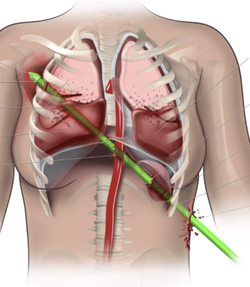 The death of Valentina Orellana-Peralta underscores the importance of evaluating not only the intended target, but also the environment beyond it when making deadly force decisions. In a crowded retail store, every discharged round has the potential to endanger innocent people, particularly when bullets can ricochet or penetrate walls and other barriers. By reconstructing the physical evidence, officer positions, tactical circumstances, and bullet trajectory, forensic analysis provides a clearer understanding of the sequence of events and the factors that contributed to this tragic outcome. Such reconstructions do not determine policy or legal responsibility; rather, they objectively examine how the physical evidence aligns with what occurred and help identify lessons that may reduce the risk of similar tragedies in the future.