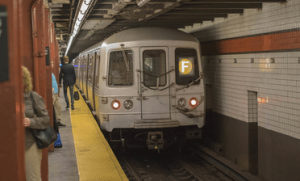
On August 2, 2016, a tragic accident occurred at a New York City subway station when Luisa Janssen Da Silva reportedly fainted and fell from the platform onto the tracks as a train entered the station. According to investigative reports, the train operator immediately applied the emergency brakes after observing her on the tracks but was unable to stop the train before impact.
 The operator promptly notified the rail control center, while individuals on the scene noted that Da Silva had lost consciousness and fallen backward from the platform. Emergency responders removed her from beneath the second railcar. They transported her to the hospital, where she was treated for catastrophic injuries, including the traumatic loss of an arm and a leg. No other passengers or crew members were reported injured during the incident. Nearly a decade later, the case resulted in one of the most significant transit-related verdicts in New York history. In late 2025, a federal jury in Brooklyn awarded Da Silva $81.7 million in damages, concluding that the Metropolitan Transportation Authority (MTA) had acted negligently by failing to implement appropriate platform safety measures, including installing protective barriers where warranted.
The court also rejected the transit agency’s claim to qualified immunity, finding that it had failed to conduct reasonable safety studies before the 2016 incident. The decision has been widely viewed as a landmark ruling, establishing an important precedent for evaluating negligence claims against public transit agencies and reinforcing the expectation that transit systems proactively assess and mitigate known safety risks. Beyond the substantial financial award, the verdict has sparked renewed discussion about platform safety, infrastructure improvements, and the responsibility of public transportation agencies to protect passengers in high-risk environments.