Evidence Room – Back To School
GIVING BACK THROUGH THE CLASSROOM AND BEYOND
Real-world forensics doesn’t stay in the lab or courtroom. At Evidence Room, we’ve spent decades bringing crime scene reconstruction, demonstrative evidence, and practical forensic analysis into universities, law schools, professional conferences, and CLE programs across the country. Our focus is on real-world skills that turn complex scenes and evidence into clear, understandable narratives for investigators, attorneys, and students.
Drawing from decades of experience and thousands of cases, we share practical insight into how forensic science, technology, and visual communication come together in the courtroom. Through education and training, we hope to strengthen the connection between forensic analysis and the legal community while helping prepare the next generation of professionals to approach evidence with clarity, curiosity, and objectivity.
Where We’ve Taught
- University of New Haven School of
Forensic Science - Georgetown University
- University of Texas Law School in
Austin - Fordham University
- Cleveland State University
From Adjunct Gigs to Guest Lectures
We’ve lectured at and been an adjunct at leading institutions across the country, teaching
topics that hit hard and matter:
 Bloodstain patterns
- Forensic animation
- Turning raw evidence into courtroom
storytelling that actually works - Crime scene reconstruction
- Shoot scene reconstruction
- Art and science of demonstrative
evidence in litigation
At Cleveland State, we broke down how to transform presentations into structured crime scene narratives. UT Law mock trials, Georgetown’s exoneree programs, and others got the same no-fluff treatment. These aren’t one-and-done appearances—they’re about equipping the next wave with tools that cut through the noise.
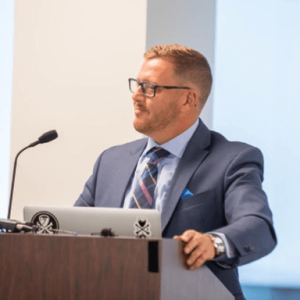 CLE and Professional Training
We’ve delivered CLE programs nationwide, including for my Law CLE on visual evidence admissibility and strategy under evolving rules (Federal Bar Association co-sponsor). Certified as a CLE instructor by the Ohio Supreme Court, we’ve presented to: Bar associations Prosecutor’s offices The Irish Law Foundation And more The focus stays practical: how forensic visualization wins cases, avoids pitfalls, and meets evidentiary standards. We also hit major symposiums, including the Arnold Michael Symposium Symposium in New Haven, Connecticut, where we received recognition for contributions to forensic science. That one hit different—honoring work that bridges scenes to justice.
Henry C. Lee Institute and Broader Impact
Ties to the Henry C. Lee Institute of Forensic Science mean ongoing contributions to training that matters. We’ve collaborated on materials, including illustrations and expertise in Dr. Henry Lee’s Prevention of Officer-Involved Deaths, blending visuals with real investigative rigor.
Looking Forward
The goal is to help prepare the next generation of investigators, attorneys, forensic professionals, and experts to approach their work with curiosity, objectivity, and a commitment to getting the details right. After more than 25 years and thousands of cases, we know that some of the most valuable knowledge comes from real-world experience—the lessons learned from challenging cases, evolving technology, and problems that cannot always be solved by a textbook. By sharing those experiences, we hope to give others the tools to ask better questions, think critically about the evidence, and ultimately become better at the work they do. This isn’t about adding another line to a résumé. We’re committed to continuing these efforts through lectures, CLEs, training sessions, and shared resources. Evidence Room’s podcast, Crime Scene Time Machine, extends that education beyond the classroom, examining cases with the same evidence-first mindset we bring to our work. Whether you’re a student, attorney, or investigator, we’ll continue sharing what decades of experience have taught us: evidence doesn’t lie, but how it is understood and presented can make all the difference.
