
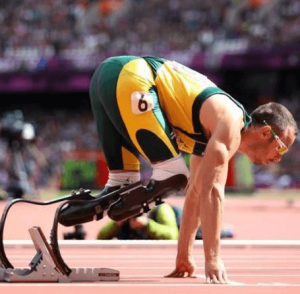
In the early hours of February 14, 2013, South African Paralympic and Olympic athlete Oscar Pistorius fatally shot his girlfriend, Reeva Steenkamp, through the locked door of a bathroom in his home in Pretoria, South Africa. Pistorius claimed that he believed an intruder had entered the residence. He fired his weapon out of fear, claiming to be unaware that Steenkamp was the person behind the door.
Prosecutors argued that he knowingly shot Steenkamp following an argument, making the case one of intent rather than mistaken identity.
The case spread rapidly, becoming an international media phenomenon and drawing widespread attention due to Pistorius’ status as a world-renowned athlete and surrounded by a complex, developing story of a murder, and whether or not he meant it. Beyond the headlines, investigators were tasked with reconstructing the events inside the home to determine what physical evidence revealed about the moments leading up to Steenkamp’s death.
 The case demonstrated how forensic science can assist the justice system in evaluating events where few eyewitnesses exist. While testimony and motive were heavily debated throughout the proceedings, the physical evidence provided an objective framework through which investigators and the court could analyze the circumstances surrounding one of the most highly publicized homicide cases in modern history.
The Evidence Room team collaborated with South African investigations, as well as Pistorius himself, to develop a reconstruction of the series of events that transpired. Understanding the trajectories of the four gunshots fired through the bathroom door, the relative positions of both Pistorius and Steenkamp, and the sequence of events that occurred before and after the shooting were among the most vital elements to determine. Investigators also examined bloodstain patterns, impact damage to the bathroom door, the condition of the cricket bat later used to break through the door, and the timeline established through witness testimony, digital evidence, and emergency calls.
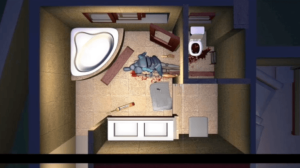
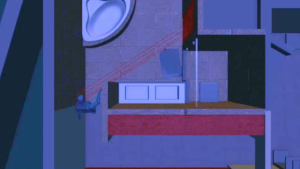
Pistorius was initially convicted of culpable homicide and sentenced to five years in prison. The legal proceedings, however, continued as prosecutors challenged the verdict, arguing that the circumstances of the shooting warranted a murder conviction. The Supreme Court of Appeal ultimately overturned the culpable homicide conviction and found Pistorius guilty of murder. Following additional sentencing proceedings and appeals, his sentence was increased to 13 years and 5 months in prison for the murder of Reeva Steenkamp. After serving nearly nine years behind bars, Pistorius was released on parole in January 2024. His release did not mark the completion of his sentence, and he remains subject to parole conditions and supervision until his sentence expires in December 2029. The Pistorius case drew intense international attention and demonstrated the critical role forensic reconstruction can play when the circumstances surrounding an event are complex, highly disputed, and examined from competing perspectives. Questions involving the positions of Pistorius and Steenkamp, bullet trajectories through the bathroom door, the sequence of gunshots, bloodstain patterns, damage to the door, and the overall timeline all became important pieces of the larger forensic picture. By analyzing the available physical evidence and reconstructing the scene, the Evidence Room team worked to provide a clear and objective understanding of the circumstances surrounding the shooting. Rather than relying solely on competing narratives, forensic reconstruction provided a means of examining how the evidence related to the physical environment and the sequence of events—allowing the evidence itself to help tell the story of what occurred that night.