The 25 Lessons I’ve Learned Over 25 Years
In 2001, I didn’t set out to become an expert witness. I didn’t imagine testifying in courtrooms around the world, appearing on television, or building a career that would take me places I never expected. I simply wanted to help lawyers explain complicated things—to take complex evidence and technical information and make it easier for people to see, understand, and remember. More than 3,000 cases later, I can look back and see my career in chapters. Every five years brought new challenges, opportunities, and lessons that shaped the way I work, lead, and think about success. The technology has changed, the cases have changed, and I have changed—but the purpose behind the work has remained the same. Looking back on 25 years, these are the 25 lessons that have shaped my career and changed my life.
YEARS 1-5
Building the Foundation
Lesson 1
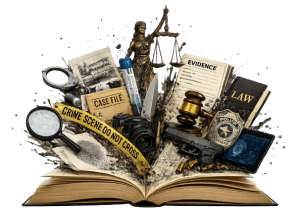 I wasn’t selling artwork. I was selling understanding.
Lesson 2
The intersection of art, science, and law became my life’s work. Every successful exhibit lives where those three disciplines overlap.
Lesson 3
Storytelling always beats information overload. People remember stories. They don’t remember data.
Lesson 4
The lawyer is not your audience. The jury is.
Lesson 5
Evidence Room grew the same way my young family did. Both required faith before certainty. Both required long hours. Both required believing something small could someday become extraordinary.
YEARS 6-10
Building a Reputation
Lesson 6
Your reputation is built one case at a time. Every project matters because you never know which one
will lead to the next opportunity.
Lesson 7
Let the evidence lead. Technology and visuals only matter when they support the facts.
Lesson 8
Mistakes are opportunities to improve. Learn from them—and never make the same one twice.
Lesson 9
Trust is earned through consistency. Keep your word, meet deadlines, and tell the truth, even when it’s difficult.
Lesson 10
Trust the process. Stay objective, follow the evidence, and let the facts—not assumptions—guide the outcome.
YEARS 11-15
Becoming an Expert
Lesson 11
This stopped being a career. It became a calling.
Lesson 12
Clients stopped hiring me for cases. They started trusting me with their careers. Many became
lifelong relationships.
Lesson 13
Expertise earns attention. Credibility earns trust.
Lesson 14
The witness stand taught me that confidence comes from preparation, credibility comes from honesty, and objectivity is your greatest strength.
Lesson 15
Knowing the answer isn’t enough. The ability to explain it clearly is what changes outcomes.
YEARS 16-20
National to International
Lesson 16
A courtroom may change from city to city. Human nature never does.
Lesson 17
Technology evolves. People still connect through clear communication.
Lesson 18
The best businesses are built by investing in people first.
Lesson 19
Recognition is rewarding. Staying humble is far more important. Alternative if you want to reference the media recognition more directly: Awards, media appearances, and recognition opened doors. Humility kept them open.
Lesson 20
Humility isn’t a destination. It’s a choice you make every day.
 YEARS 21-25
Coming Home
Lesson 21
After seeing the world… I realized home was never too small. I had simply grown enough to appreciate it.
Lesson 22
Cleveland doesn’t care about celebrity. It cares whether you deliver.
Lesson 23
Even while specializing as an expert witness, I never abandoned demonstrative evidence. Remaining a practitioner keeps my expert opinions creative and grounded.
Lesson 24
The greatest investment I make today isn’t software. It’s young people. A 23-year-old designer can challenge assumptions I’ve held for twenty years—and that’s a gift.
Lesson 25
I started this journey as a young father trying to build a company.
Today I’m becoming a grandfather. I’m no longer trying to prove I belong. I’m trying to leave something behind that lasts. The next twenty-five years won’t be built on what I’ve accomplished. They’ll be built on what I teach.
If I could summarize 25 years and 3,000 cases into one sentence, it would be this: Never lose sight of why you started. The technology will change. The law will change. The cases will change. The clients will change. You will change. But if you remain committed to the intersection of art, science, and law, communicate with integrity, stay curious enough to keep learning, and humble enough to keep listening, then success stops being a destination. It becomes a responsibility. And that’s what I’m carrying into the next 25 years.